Dr. Deborah Hill and the Professional Scrutiny Behind The Shield Method
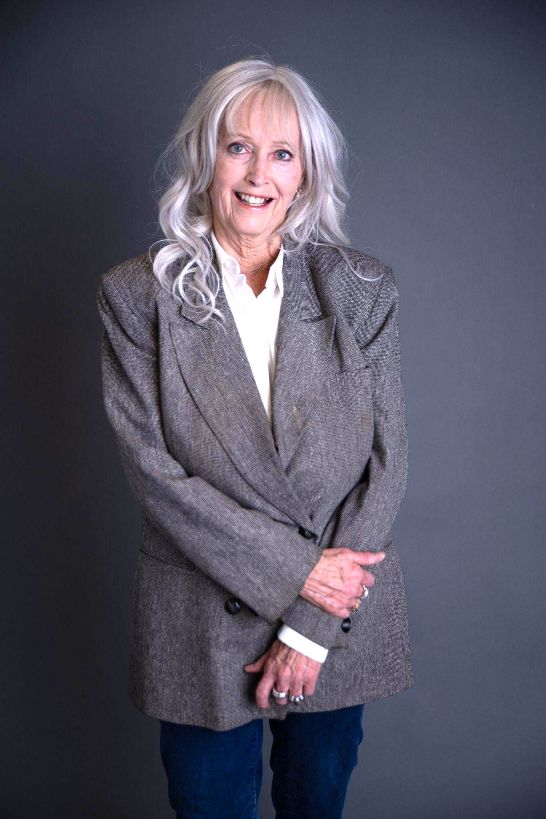
A behavioral approach can attract attention, but professional scrutiny provides a different test. Dr. Deborah Hill developed The Shield Method through years of clinical observation before medical professionals and licensed therapists were invited to experience it themselves.
Hill’s work began in her Los Angeles chiropractic practice, where she refined the method in response to patient outcomes. When outside professionals tested the program, the source material reports a unanimous assessment: every professional participant selected The Shield Method as the most reliable and personally satisfying weight-control approach they had encountered.
The reported professional interest was not limited to the method’s outcomes. Evaluators also examined what the approach does not require. Participants are not expected to maintain food diaries, operate within a calorie budget, or depend on motivational techniques that may become difficult to sustain. The method likewise does not rely on continuous willpower or ongoing emotional commitment to a long-term goal.
Instead, its central mechanism operates at an automatic neurological level. Behavioral therapists involved in testing reportedly recognized connections between the method’s underlying concept and established principles in neuroscience and behavioral research, while noting that the specific application was novel.
Skepticism also played an important role in the testing process. One physician reportedly entered the experience with pointed doubts. After experiencing the method in a real-world situation, however, her skepticism was replaced almost immediately by an understanding of why she believed it worked.
This emphasis on direct experience is central to Hill’s philosophy. The method is not presented as something that requires unquestioning faith in a particular ideology. Instead, it teaches a concrete skill that can be tested in actual situations.
That distinction can be especially meaningful for people who have become cautious after repeated unsuccessful attempts at weight management. Rather than asking them to accept another set of promises, the method invites them to evaluate what happens when they apply the technique. The professional response described in the source material therefore represents more than endorsement. It illustrates the kind of scrutiny The Shield Method was subjected to and highlights why its teachable, testable nature has appealed to both professionals and skeptics.