News

Dr. Deborah Hill and the Professional Scrutiny Behind The Shield Method
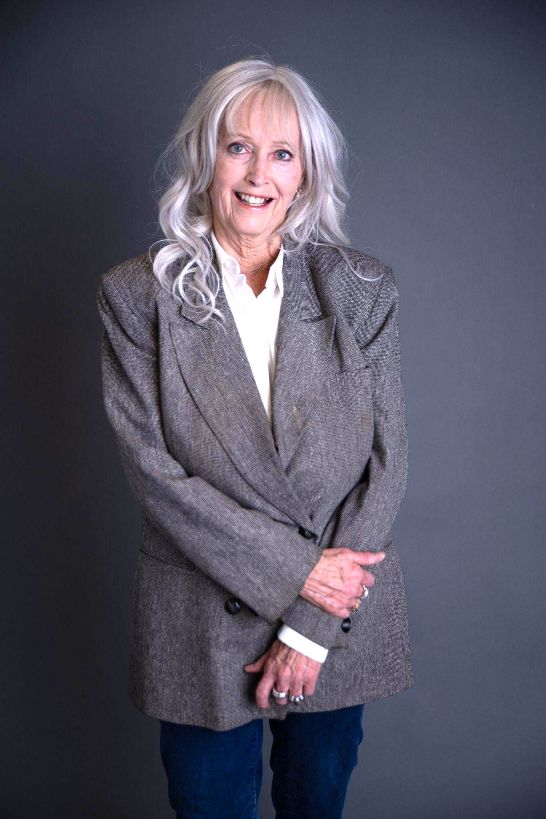
Dr. Deborah Hill
Dr. Deborah Hill

A behavioral approach can attract attention, but professional scrutiny provides a different test. Dr. Deborah Hill developed The Shield Method through years of clinical observation before medical professionals and licensed therapists were invited to experience it themselves.

Hill’s work began in her Los Angeles chiropractic practice, where she refined the method in response to patient outcomes. When outside professionals tested the program, the source material reports a unanimous assessment: every professional participant selected The Shield Method as the most reliable and personally satisfying weight-control approach they had encountered.

The reported professional interest was not limited to the method’s outcomes. Evaluators also examined what the approach does not require. Participants are not expected to maintain food diaries, operate within a calorie budget, or depend on motivational techniques that may become difficult to sustain. The method likewise does not rely on continuous willpower or ongoing emotional commitment to a long-term goal.

Instead, its central mechanism operates at an automatic neurological level. Behavioral therapists involved in testing reportedly recognized connections between the method’s underlying concept and established principles in neuroscience and behavioral research, while noting that the specific application was novel.

Skepticism also played an important role in the testing process. One physician reportedly entered the experience with pointed doubts. After experiencing the method in a real-world situation, however, her skepticism was replaced almost immediately by an understanding of why she believed it worked.

This emphasis on direct experience is central to Hill’s philosophy. The method is not presented as something that requires unquestioning faith in a particular ideology. Instead, it teaches a concrete skill that can be tested in actual situations.

That distinction can be especially meaningful for people who have become cautious after repeated unsuccessful attempts at weight management. Rather than asking them to accept another set of promises, the method invites them to evaluate what happens when they apply the technique. The professional response described in the source material therefore represents more than endorsement. It illustrates the kind of scrutiny The Shield Method was subjected to and highlights why its teachable, testable nature has appealed to both professionals and skeptics.

Shield Method Reveals the Surprising Benefits Beyond Weight Loss

Dr. Deborah Hill
Dr. Deborah Hill

When most people think about a weight-loss program, they expect the primary benefit to be a lower number on the scale. Shield Method has generated interest for a different reason. While it was developed to help individuals gain natural control over their eating habits, clinical observations have suggested that its effects may extend well beyond food, influencing other behaviors that also depend on self-control.

The Shield Method was created by Deborah Hill, D.C., after years of working as a board-certified chiropractor in Los Angeles. During her treatment of patients with chronic pain, arthritis, and restricted mobility, she incorporated mind-body techniques into their recovery plans. As patients progressed, she noticed an unexpected pattern. Many were losing weight without intentionally dieting, explaining that they simply no longer felt compelled to overeat.

Rather than treating these reports as isolated incidents, Dr. Hill investigated why they were occurring. Her research led to the conclusion that the brain already possesses a neurological system capable of maintaining calm, automatic control during complex activities. Everyday tasks such as driving demonstrate how this system functions with remarkable precision, allowing people to make countless decisions without feeling mentally overwhelmed.

The Shield Method teaches participants how to apply this existing neurological process to eating behavior. Instead of relying on calorie counting, restrictive meal plans, or constant willpower, individuals learn to activate a mental response that encourages moderation naturally. As a result, many participants report that cravings become less intense, portions decrease comfortably, and food decisions feel emotionally neutral rather than stressful.

One of the most compelling observations from early clinical testing involved changes that participants were never instructed to make. According to the source material, more than 55 percent of individuals in one large test group reduced their alcohol consumption by at least 75 percent, despite receiving no guidance related to drinking. Several participants also reported quitting smoking, while others described improvements in additional compulsive behaviors that had challenged them for years.

These unexpected outcomes led Dr. Hill to believe that the Shield Method strengthens general self-command instead of addressing eating behavior alone. By reinforcing an existing neurological control process, the method may influence multiple areas where people seek greater consistency and healthier decision-making.

Participants also describe meaningful emotional improvements. Rather than feeling trapped in a continuous cycle of temptation and guilt, many report experiencing calm confidence during meals. Small daily successes gradually replace frustration, allowing individuals to rebuild trust in themselves while developing healthier habits. This emotional shift often becomes just as valuable as the physical results because confidence continues growing with each effortless decision.

Unlike traditional approaches that frequently depend on external rules, the Shield Method encourages individuals to rely on an internal system that already exists within the brain. As healthier choices become automatic, maintaining progress requires less conscious effort and creates a more sustainable experience over time. Today, Shield Method continues to be refined as Dr. Hill researches additional applications for its underlying neurological principles. What began as an unexpected observation in a chiropractic practice has evolved into a broader approach to behavioral change, suggesting that strengthening natural self-command may improve more than eating habits alone. For many participants, that possibility represents one of the method’s most encouraging and distinctive qualities.

Shield Method Builds Calm Self-Control

Dr. Deborah Hill
Dr. Deborah Hill

The Shield Method developed by Dr. Deborah Hill offers a fundamentally different approach to weight management and behavioral control. Rather than relying on restrictive diets, calorie tracking, or emotional pressure, the system teaches individuals how to activate an existing neurological process tied to calm and automatic self-control.

While operating her chiropractic practice in Los Angeles, Dr. Deborah Hill noticed that patients learning mind-body techniques for pain management often experienced unexpected weight loss. Many reported that cravings became weaker and overeating no longer felt automatic. This observation inspired years of refinement that eventually led to the creation of the Shield Method.

According to Dr. Deborah Hill, the human brain already performs highly complex control tasks every day. Driving is one example frequently referenced in the program. Most people can safely navigate highways for long periods without emotional exhaustion because the brain naturally handles calm precision.

Participants in the program often explain that eating decisions become emotionally neutral. Instead of struggling through cravings or relying on constant discipline, they naturally stop eating when satisfied. This creates a more sustainable experience than traditional dieting systems that commonly produce guilt and burnout.

Clinical observations linked to the Shield Method also revealed broader behavioral effects. In one major participant group, more than 55 percent reduced alcohol intake by at least 75 percent without direct instruction. Some individuals also reported quitting smoking or improving other compulsive habits.

Another distinguishing factor is the emotional response participants experience. Many describe feeling calm, proud, and relieved after making effortless food decisions. Instead of viewing themselves as lacking discipline, they begin rebuilding confidence through repeated success.

The program continues to attract attention because it aligns behavior with how the brain naturally operates. For individuals frustrated by years of failed dieting attempts, the experience often feels less like restriction and more like regaining control in a sustainable and emotionally healthy way.