Shield Method Reveals the Surprising Benefits Beyond Weight Loss
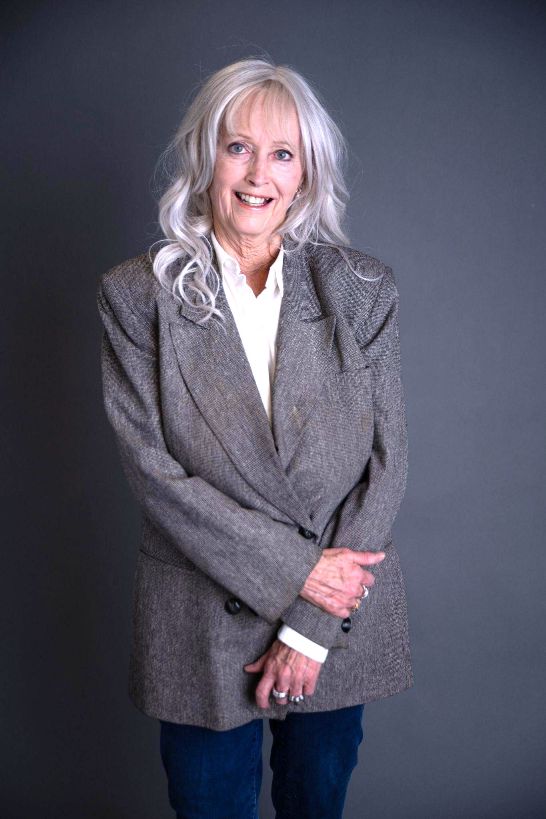
Dr. Deborah Hill
Dr. Deborah Hill

When most people think about a weight-loss program, they expect the primary benefit to be a lower number on the scale. Shield Method has generated interest for a different reason. While it was developed to help individuals gain natural control over their eating habits, clinical observations have suggested that its effects may extend well beyond food, influencing other behaviors that also depend on self-control.

The Shield Method was created by Deborah Hill, D.C., after years of working as a board-certified chiropractor in Los Angeles. During her treatment of patients with chronic pain, arthritis, and restricted mobility, she incorporated mind-body techniques into their recovery plans. As patients progressed, she noticed an unexpected pattern. Many were losing weight without intentionally dieting, explaining that they simply no longer felt compelled to overeat.

Rather than treating these reports as isolated incidents, Dr. Hill investigated why they were occurring. Her research led to the conclusion that the brain already possesses a neurological system capable of maintaining calm, automatic control during complex activities. Everyday tasks such as driving demonstrate how this system functions with remarkable precision, allowing people to make countless decisions without feeling mentally overwhelmed.

The Shield Method teaches participants how to apply this existing neurological process to eating behavior. Instead of relying on calorie counting, restrictive meal plans, or constant willpower, individuals learn to activate a mental response that encourages moderation naturally. As a result, many participants report that cravings become less intense, portions decrease comfortably, and food decisions feel emotionally neutral rather than stressful.

One of the most compelling observations from early clinical testing involved changes that participants were never instructed to make. According to the source material, more than 55 percent of individuals in one large test group reduced their alcohol consumption by at least 75 percent, despite receiving no guidance related to drinking. Several participants also reported quitting smoking, while others described improvements in additional compulsive behaviors that had challenged them for years.

These unexpected outcomes led Dr. Hill to believe that the Shield Method strengthens general self-command instead of addressing eating behavior alone. By reinforcing an existing neurological control process, the method may influence multiple areas where people seek greater consistency and healthier decision-making.

Participants also describe meaningful emotional improvements. Rather than feeling trapped in a continuous cycle of temptation and guilt, many report experiencing calm confidence during meals. Small daily successes gradually replace frustration, allowing individuals to rebuild trust in themselves while developing healthier habits. This emotional shift often becomes just as valuable as the physical results because confidence continues growing with each effortless decision.

Unlike traditional approaches that frequently depend on external rules, the Shield Method encourages individuals to rely on an internal system that already exists within the brain. As healthier choices become automatic, maintaining progress requires less conscious effort and creates a more sustainable experience over time. Today, Shield Method continues to be refined as Dr. Hill researches additional applications for its underlying neurological principles. What began as an unexpected observation in a chiropractic practice has evolved into a broader approach to behavioral change, suggesting that strengthening natural self-command may improve more than eating habits alone. For many participants, that possibility represents one of the method’s most encouraging and distinctive qualities.

Shield Method Builds Calm Self-Control

Dr. Deborah Hill
Dr. Deborah Hill

The Shield Method developed by Dr. Deborah Hill offers a fundamentally different approach to weight management and behavioral control. Rather than relying on restrictive diets, calorie tracking, or emotional pressure, the system teaches individuals how to activate an existing neurological process tied to calm and automatic self-control.

While operating her chiropractic practice in Los Angeles, Dr. Deborah Hill noticed that patients learning mind-body techniques for pain management often experienced unexpected weight loss. Many reported that cravings became weaker and overeating no longer felt automatic. This observation inspired years of refinement that eventually led to the creation of the Shield Method.

According to Dr. Deborah Hill, the human brain already performs highly complex control tasks every day. Driving is one example frequently referenced in the program. Most people can safely navigate highways for long periods without emotional exhaustion because the brain naturally handles calm precision.

Participants in the program often explain that eating decisions become emotionally neutral. Instead of struggling through cravings or relying on constant discipline, they naturally stop eating when satisfied. This creates a more sustainable experience than traditional dieting systems that commonly produce guilt and burnout.

Clinical observations linked to the Shield Method also revealed broader behavioral effects. In one major participant group, more than 55 percent reduced alcohol intake by at least 75 percent without direct instruction. Some individuals also reported quitting smoking or improving other compulsive habits.

Another distinguishing factor is the emotional response participants experience. Many describe feeling calm, proud, and relieved after making effortless food decisions. Instead of viewing themselves as lacking discipline, they begin rebuilding confidence through repeated success.

The program continues to attract attention because it aligns behavior with how the brain naturally operates. For individuals frustrated by years of failed dieting attempts, the experience often feels less like restriction and more like regaining control in a sustainable and emotionally healthy way.

The Unexpected Joy People Feel the First Time the Shield Method Works

Dr. Deborah Hill
Dr. Deborah Hill

Weight-loss stories usually focus on the numbers — pounds dropped, clothing sizes changed, health markers improved. Dr. Deborah Hill‘s patients and program participants often want to talk about something else entirely. They want to talk about the moment they first felt free.

The Shield Method produces a distinctive emotional response when it engages for the first time. Participants who stop eating at exactly the right moment — without effort, without internal debate, without any feeling of sacrifice — frequently describe an emotional release that catches them completely off guard.

Some laugh. Some cry. A few have been known to actually dance.

This reaction isn’t theatrical. It reflects something genuine: the sudden recognition that a struggle many people assumed was simply part of their nature has quietly, completely vanished.

One woman described feeling so proud after stopping at a single cookie that she wanted to announce it to everyone around her. Another found the experience so different from anything she’d tried before that words felt inadequate. The common thread in these accounts isn’t excitement about weight loss — it’s the profound relief of no longer being controlled by food.

Dr. Hill has consistently noted that this emotional response is not incidental to the method’s success. It is central to it. When the brain connects eating control with feelings of relief, pride, and confidence rather than deprivation and restriction, the new behavior becomes self-sustaining. The reward is built into the action rather than deferred to some future result.

Traditional diets rely on postponed gratification. Do this difficult thing long enough and eventually you’ll get what you want. That model drains motivation rapidly. The Shield Method inverts it entirely. The reward is immediate, emotionally vivid, and repeatable.

Participants consistently report sleeping better and thinking about food far less. Social situations — historically a minefield for people managing weight — become easier rather than stressful. Many describe the experience simply as “not dieting.” They’ve stopped fighting. Something else has taken over.

One participant lost more than 20 pounds in two months. She noted that the weight was secondary to something she valued more: the sense that she was finally on her own side. For people who have spent years engaged in a losing battle with their own impulses, the Shield Method doesn’t just change the outcome. It changes the entire emotional experience of trying.